


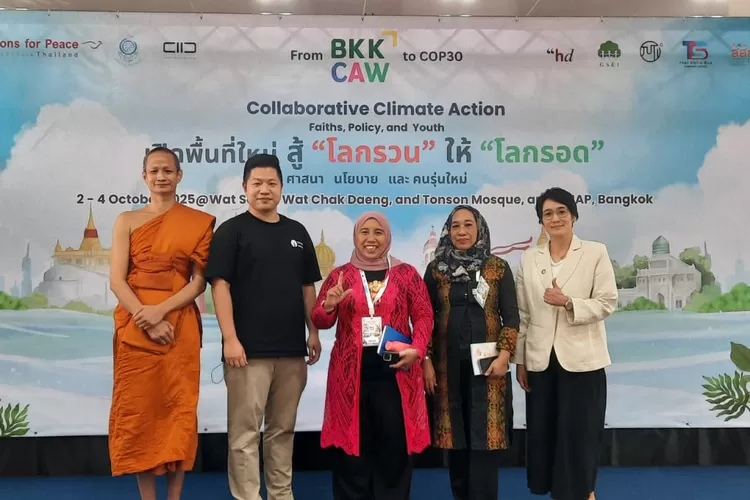
HUKAMANEWS GreenFaith — A voice of faith echoed from the heart of Bangkok. Not from a pulpit, but from a room where religious leaders, policymakers, and young people from various nations gathered to face humanity’s greatest challenge: the climate crisis.
At the Interfaith Dialogue on Collaborative Climate Actions (October 2–4, 2025), held as part of the Bangkok Climate Action Week (BKKCAW), participants sought common ground to turn belief into collective action.
The event, organized by the International Dialogue Centre (KAICIID) and the Institute of Buddhist Management for Happiness and Peace Foundation (IBHAP), went beyond dialogue — it sparked collaboration and delivered a moral perspective to the Global Ethical Stocktake (GES) ahead of the COP30 climate negotiations.
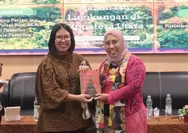
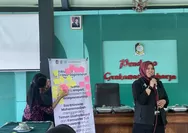
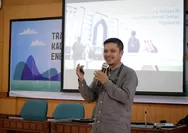
“This dialogue matters because it brings forth faith-based values that transcend short-term interests. Religion can serve as a moral compass, urging governments to act boldly for ecological justice,” said Hening Parlan, Executive Director of GreenFaith Indonesia, who was one of the keynote speakers.
Baca Juga: OnePlus 15 Siap Rilis 13 November! Desain Baru, Spek Gahar, Bisa Saingi iPhone 17?
From Moral Crisis to Concrete Action
For Hening, the climate crisis is not merely an environmental disaster—it is a moral one.
“The Earth isn’t damaged because of technology alone, but because of human hearts that have turned indifferent. Faith must not remain silent,” she emphasized.
Recent data underline her warning. By August 2025, Indonesia had experienced 2,170 climate-related disasters—mostly floods, droughts, wildfires, and extreme weather. Ironically, resource-rich regions remain among the poorest.
“For whom is this Earth being exploited, and who bears the consequences?” Hening asked pointedly.
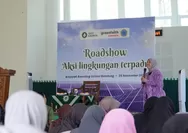
In response, GreenFaith Indonesia has been transforming prayers into tangible acts. Through the Faith for Climate Actions initiative, they launched “green sermons,” interfaith worship tours with ecological messages, and an interfaith declaration at Puja Mandala, Bali.
Baca Juga: Detik-Detik Terakhir Praka Zaenal, Prajurit Marinir yang Gugur Gagah di Langit Teluk Jakarta
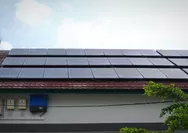
They also introduced Wakaf Energi — a faith-based philanthropy program funding solar panel installations in Muhammadiyah schools, mosques, churches, and communities in West Kalimantan. Meanwhile, the Fiqh of Just Energy Transition initiative explores how Islamic law can guide the shift toward renewable energy.
Another movement, Energy Fasting, mobilized hundreds of people to reduce electricity use—saving energy worth tens of millions of rupiah. The #SavePulauPari campaign united people of different faiths to protect a small island threatened by rising sea levels.
“Religion’s power lies not only in its followers, but in its moral authority and the solidarity it can awaken,” Hening stated firmly.











Artikel Terkait
Tagilom: Upholding Peace from Ternate for the World
From Hashtags to Real Action: It’s Time for Youth to Lead Change
Faith, Climate Crisis, and the Moral Responsibility of Religious Communities
Hening Parlan dan Suara Moral Lintas Iman Menggema di Bangkok Climate Action Week